I'm old enough to remember jubilant Germans standing atop a graffiti-covered wall with sledgehammers and euphoria, but I was twelve years old and not yet able to fully comprehend why what I was watching was so significant. The feeling of seeing that joy turned out to have a profound effect on my life.
But that triumph belonged to another generation. I was a child when the Cold War was escalating itself out of existence while the Islamic revolution in Iran was just getting underway and Lebanon fought its apocalypse and Arab dictators padded their bank accounts. I was three years old when Hosni Mubarak took power. I was a teenager when Islamic fundamentalism replaced the Soviet Union as "The Enemy," a result of Iran and Lebanon and the various dictatorships in the Arab World. Right now, I am listening to Ahmad, who owns a liquor store across the street, light firecrackers in the road after watching the same jubilation more than two decades after the sledgehammer crushed the hammer and the sickle. This is my generation's Berlin Wall.
Oh what a day after last night's heartbreak! I couldn't take my eyes off the Blackberry when I wasn't in a place with a television. When it was announced yet another presidential statement would be made, I hurried home and flipped on the tube. It only took 30 seconds to ignite euphoria. Aljazeera English once again showed how good it is by having not one talking head say a word for a full ten minutes as we listened to the crowd of more than 3 million make the name Liberation Square mean something again.
This is not just a great day for Egyptians or Arabs, but a great day for all of humanity. Congratulations, people of Egypt. You have been an inspiration to the whole world.
I dedicate this song about the fall of the Berlin Wall to you. (Oh, Bono and Edge, you look so young. I can't believe it's been 20 years since Achtung Baby came out. Talk about something else that had a profound effect on my life - and probably did more than any history book to help me understand just how significant those sledgehammers were.)
Friday, February 11, 2011


Thursday, February 3, 2011
Bang and Blame
Allahu Akbar echoes through the concrete streets of Hamra as a slight drizzle caresses the city's scars and keeps the flowers alive. It is a gray day but it is still quite bright with distant white clouds hanging somewhere over the sea. Not too far from here, Egyptians are gathering in mass protests against the 30 year dictatorship of Pharaoh Mubarak. A bit further off, Tunisians are trying to reassemble their country after a popular and mostly peaceful revolution overthrew their own dictator of thirteen years. In Yemen, thousands of people took part in demonstrations against their government, and Jordanians, too, participated in demonstrations on a smaller scale.
Here in Lebanon, they handed the government over to Hezbollah and Syria. Come on.
The world is changing before our eyes. I have vague recollections of images of Germans with sledgehammers standing atop a graffiti covered wall overcome by what can only be described as joy. What followed was a decade when the Western world was filled with hope for the future, but while we were celebrating the triumph of what we call freedom over the injustices of a failed revolution of a different sort, this part of the world in which I now sit continued to suffer from the same crushing authoritarianism that plagued the Russians, Poles, Czechs, Slovaks, Hungarians, Germans, Estonians, Latvians, Lithuanians, Ukranians, Belarussians, Uzbeks, Kazakhs, Tajiks, Kyrgyz, Azerbaijanis, Serbs, Bosnians, Albanians, Bulgarians, Romanians, Slovenians, Croatians, Armenians, Georgians, Macedonians, and all the subsets and everyone else I may have forgotten (the list is off the top of my head). It wasn't called communism in the Middle East except on occasion and in part of Yemen, but communism is just a word assigned to one variation of dictatorship.
The worst is that the United States supported so many of these authoritarian regimes over the years. We looked at the Soviet Union as the Evil Empire while at the same time allowing Pharaoh Mubarak to rule absolutely by what he called "Emergency Decree" for three decades, giving him a pile of dough so he'd make peace with our BFF Israel. Our other BFF, the Kingdom of Saudi Arabia, didn't need the money but we promised them to suck from the teat of their land if they would just ignore their Jewish neighbors. Our too big to fail car companies simply adored this foreign policy, and it was porn for the filthy minds of the military industrial complex.
After 9/11, Americans asked "Why do they hate us?" as if they had been living in a bubble to keep them immune from the disease known as Realworlditis. And trust me, they do hate us. Not just the hell-bound jihadis who blow themselves up, but common folk of all backgrounds. They do have just cause. But that hate isn't a willful hate. It's a frustrated hate, more of an envy, almost, because they see our hypocrisy in preaching freedom while supporting dictators.
But Americans have their own problems to deal with, things like mortgages and failing school systems and high unemployment. We don't sit around twenty-four hours a day, seven days a week devising new schemes for hurting the people of the Middle East. Most Americans - of the 300 million of them - don't think about the Middle East at all unless something extraordinary occurs, and when that extraordinary thing happens, it usually has to do with someone blowing themselves up in the name of religion. Yet the Arab world seems obsessed with blaming America to the point of counterproductivity. The controversy surrounding the "Ground Zero Mosque" (translation: Muslim community center located two blocks away from the WTC site) was given as proof that all Americans hated Muslims.
Nevermind that a black man named Barack Hussein Obama whose father was a Muslim is President of the United States of America, elected by popular vote by a wide margin.
What I am getting at here is that I am growing increasingly frustrated by the way the Arab world blames the US for ALL of its problems. Look, I am the first person to criticize US foreign policy, as anyone who knows me is all too familiar with. What Israel gets away with makes me sick. I also view the entire system of foreign assistance as neo-colonialism (though for the most part it is not intentional. It's just a lack of awareness by foreign policy bureaucrats and NGOs in Washington who think they are doing righteous work.) But the Arab world needs to look at itself in the mirror and acknowledge that it is not innocent in its plight.
For example, I've only seen one mention of how Mubarak came to power in the first place - Sadat, beloved by Arabs, appointed him in his government and saw his rise. And nobody seems to acknowledge that the pro-Mubarak thugs are, in fact, Egyptian, too, or that in a country with 72 million people, most are not demonstrating. (Contrast that with the Cedar Revolution (R.I.P.) in Lebanon, where a quarter of the entire population of the country marched in downtown Beirut.) Now is the time to rise up, so why aren't there 20 million protesters out there? Mubarak would never survive a protest of 20 million. Also, why now? Why sit and take it for 30 years until some frustrated kid sets himself on fire?
I pray that United States foreign policy changes as a result of this uprising. I'm not going to hold my breath, especially with Israeli cheerleader Ros-Lehtinen as Chairwoman of the House Committee on Foreign Affairs. (Another consequence of American-voter stupidity in the last elections.) And shame on Senator Feinstein and the others who blocked a Senate resolution last fall demanding more democracy in Egypt. Why don't we spend more of our tax money on domestic programs instead of giving it to Egypt and Israel? Why give them anything at all? Seems most of what we gave Egypt went into the pockets of the Pharaoh, and the money we give Israel just makes people hate us more and makes us less safe. (I know the answers to these questions. Still, it feels good to say it aloud. If only more Americans would...)
Anyway, it's an interesting time to be in the Middle East, even if I'm sitting in a country where nothing is really happening except the same old same old Syrian puppets and Hezbollah and blah blah blah. I just played Jesus Jones' "Right Here, Right Now," a song about the fall of the Berlin Wall that feels right at this time, too. Maybe once this is all over and Pharaoh Mubarak is deposed, Arabs and Americans can finally have a real dialogue based on mutual interests in having what Americans have and Arabs want - freedom - and we can put all of this finger pointing behind us.
So, go Egypt! You have the support of the world. And you, too, Yemen. And you, Jordan, and you, Tunisia, and you, Algeria, and you, Morocco, and you, Palestine. At the end of the day, Americans really do believe in the democracy and freedom that we preach, and we are watching you with pride. Your courage is inspiring.
Here in Lebanon, they handed the government over to Hezbollah and Syria. Come on.
The world is changing before our eyes. I have vague recollections of images of Germans with sledgehammers standing atop a graffiti covered wall overcome by what can only be described as joy. What followed was a decade when the Western world was filled with hope for the future, but while we were celebrating the triumph of what we call freedom over the injustices of a failed revolution of a different sort, this part of the world in which I now sit continued to suffer from the same crushing authoritarianism that plagued the Russians, Poles, Czechs, Slovaks, Hungarians, Germans, Estonians, Latvians, Lithuanians, Ukranians, Belarussians, Uzbeks, Kazakhs, Tajiks, Kyrgyz, Azerbaijanis, Serbs, Bosnians, Albanians, Bulgarians, Romanians, Slovenians, Croatians, Armenians, Georgians, Macedonians, and all the subsets and everyone else I may have forgotten (the list is off the top of my head). It wasn't called communism in the Middle East except on occasion and in part of Yemen, but communism is just a word assigned to one variation of dictatorship.
The worst is that the United States supported so many of these authoritarian regimes over the years. We looked at the Soviet Union as the Evil Empire while at the same time allowing Pharaoh Mubarak to rule absolutely by what he called "Emergency Decree" for three decades, giving him a pile of dough so he'd make peace with our BFF Israel. Our other BFF, the Kingdom of Saudi Arabia, didn't need the money but we promised them to suck from the teat of their land if they would just ignore their Jewish neighbors. Our too big to fail car companies simply adored this foreign policy, and it was porn for the filthy minds of the military industrial complex.
After 9/11, Americans asked "Why do they hate us?" as if they had been living in a bubble to keep them immune from the disease known as Realworlditis. And trust me, they do hate us. Not just the hell-bound jihadis who blow themselves up, but common folk of all backgrounds. They do have just cause. But that hate isn't a willful hate. It's a frustrated hate, more of an envy, almost, because they see our hypocrisy in preaching freedom while supporting dictators.
But Americans have their own problems to deal with, things like mortgages and failing school systems and high unemployment. We don't sit around twenty-four hours a day, seven days a week devising new schemes for hurting the people of the Middle East. Most Americans - of the 300 million of them - don't think about the Middle East at all unless something extraordinary occurs, and when that extraordinary thing happens, it usually has to do with someone blowing themselves up in the name of religion. Yet the Arab world seems obsessed with blaming America to the point of counterproductivity. The controversy surrounding the "Ground Zero Mosque" (translation: Muslim community center located two blocks away from the WTC site) was given as proof that all Americans hated Muslims.
Nevermind that a black man named Barack Hussein Obama whose father was a Muslim is President of the United States of America, elected by popular vote by a wide margin.
What I am getting at here is that I am growing increasingly frustrated by the way the Arab world blames the US for ALL of its problems. Look, I am the first person to criticize US foreign policy, as anyone who knows me is all too familiar with. What Israel gets away with makes me sick. I also view the entire system of foreign assistance as neo-colonialism (though for the most part it is not intentional. It's just a lack of awareness by foreign policy bureaucrats and NGOs in Washington who think they are doing righteous work.) But the Arab world needs to look at itself in the mirror and acknowledge that it is not innocent in its plight.
For example, I've only seen one mention of how Mubarak came to power in the first place - Sadat, beloved by Arabs, appointed him in his government and saw his rise. And nobody seems to acknowledge that the pro-Mubarak thugs are, in fact, Egyptian, too, or that in a country with 72 million people, most are not demonstrating. (Contrast that with the Cedar Revolution (R.I.P.) in Lebanon, where a quarter of the entire population of the country marched in downtown Beirut.) Now is the time to rise up, so why aren't there 20 million protesters out there? Mubarak would never survive a protest of 20 million. Also, why now? Why sit and take it for 30 years until some frustrated kid sets himself on fire?
I pray that United States foreign policy changes as a result of this uprising. I'm not going to hold my breath, especially with Israeli cheerleader Ros-Lehtinen as Chairwoman of the House Committee on Foreign Affairs. (Another consequence of American-voter stupidity in the last elections.) And shame on Senator Feinstein and the others who blocked a Senate resolution last fall demanding more democracy in Egypt. Why don't we spend more of our tax money on domestic programs instead of giving it to Egypt and Israel? Why give them anything at all? Seems most of what we gave Egypt went into the pockets of the Pharaoh, and the money we give Israel just makes people hate us more and makes us less safe. (I know the answers to these questions. Still, it feels good to say it aloud. If only more Americans would...)
Anyway, it's an interesting time to be in the Middle East, even if I'm sitting in a country where nothing is really happening except the same old same old Syrian puppets and Hezbollah and blah blah blah. I just played Jesus Jones' "Right Here, Right Now," a song about the fall of the Berlin Wall that feels right at this time, too. Maybe once this is all over and Pharaoh Mubarak is deposed, Arabs and Americans can finally have a real dialogue based on mutual interests in having what Americans have and Arabs want - freedom - and we can put all of this finger pointing behind us.
So, go Egypt! You have the support of the world. And you, too, Yemen. And you, Jordan, and you, Tunisia, and you, Algeria, and you, Morocco, and you, Palestine. At the end of the day, Americans really do believe in the democracy and freedom that we preach, and we are watching you with pride. Your courage is inspiring.
Friday, January 21, 2011
You know what they say about men who drive fancy sports cars
A taxi sat parked on the side of a normally busy street in Beirut, one of the common beaten up old Mercedes that have somehow survived as everything in Lebanon has somehow survived. The driver, whose face was as worn out as his car, slumped behind the wheel as he filled the vehicle with cigarette smoke. In the backseat were two women passengers whose worried expressions told more tales than an entire library could ever teach you. The three of them were listening to the Prime Minister's speech on the radio. Further down in desolation, another driver sat with his car door open on a darkened corner, listening intently with a hard face, a facade, for you could sense the truth of what he felt emanating from deep within him. Shopkeepers had televisions or radios tuned in, and you knew the blue lights glowing from the windows of houses had Hariri's oddly bearded face on TV screens.
The tone of the speech was uncharacteristically defiant as the normally weak leader challenged the militia that now threatens the (relative) stability his country. The pulse of the city itself was uncharacteristically slow. This was not the Beirut that has been featured in the travel sections of Western newspapers so many times over the last two years. No, this was the Beirut of history books.
You really have to be here to understand how it feels - the air, the atmosphere, I don't know how to describe it - but it is like there are supernatural forces at work. The feeling is something deep, like the whole universe, all of existence, all of time and space and history is inside you, and you can look inside the souls of people and see their fear in all its nakedness.
During daylight hours, one doesn't notice there is something dangerously wrong here, for the fruit vendors push their carts and the taxi drivers stand on the corners and the shwarma cooks sell their questionably safe meat. The coffee shops are filled with studying students and elderly elders and housewives both covered and not, and people buy shoes and clothes and belts and other things they don't really need just as they always would. Car horns honk, generators generate, and construction workers shout from great heights to the ground below as usual.
But with dusk come the demons and the ghouls who have haunted this land for many millennia. The streets have been emptier, never more noticeably than last night as Hariri spoke to put Hezbollah in a position where they'd have to take responsibility for any violence that may occur. And they are responsible. No one else is threatening violence. Everyone else is sick of it, sick, sick, sick. Everyone else wants to live normal lives. Everyone else wants a job, electricity, decent internet, and good schools for their kids. It isn't fair. It isn't fair to the innocent Lebanese who have suffered time and time again for the stupidity of a few.
Hezbollah may have been good for Lebanon once (pushing out Israel), but now it's acting like the playground bully. Be a man, Sayyid Nasrallah. Stand up and say no to violence. It's not the size of your gun that matters, but the courage to lay down that gun that truly makes a difference.
The tone of the speech was uncharacteristically defiant as the normally weak leader challenged the militia that now threatens the (relative) stability his country. The pulse of the city itself was uncharacteristically slow. This was not the Beirut that has been featured in the travel sections of Western newspapers so many times over the last two years. No, this was the Beirut of history books.
You really have to be here to understand how it feels - the air, the atmosphere, I don't know how to describe it - but it is like there are supernatural forces at work. The feeling is something deep, like the whole universe, all of existence, all of time and space and history is inside you, and you can look inside the souls of people and see their fear in all its nakedness.
During daylight hours, one doesn't notice there is something dangerously wrong here, for the fruit vendors push their carts and the taxi drivers stand on the corners and the shwarma cooks sell their questionably safe meat. The coffee shops are filled with studying students and elderly elders and housewives both covered and not, and people buy shoes and clothes and belts and other things they don't really need just as they always would. Car horns honk, generators generate, and construction workers shout from great heights to the ground below as usual.
But with dusk come the demons and the ghouls who have haunted this land for many millennia. The streets have been emptier, never more noticeably than last night as Hariri spoke to put Hezbollah in a position where they'd have to take responsibility for any violence that may occur. And they are responsible. No one else is threatening violence. Everyone else is sick of it, sick, sick, sick. Everyone else wants to live normal lives. Everyone else wants a job, electricity, decent internet, and good schools for their kids. It isn't fair. It isn't fair to the innocent Lebanese who have suffered time and time again for the stupidity of a few.
Hezbollah may have been good for Lebanon once (pushing out Israel), but now it's acting like the playground bully. Be a man, Sayyid Nasrallah. Stand up and say no to violence. It's not the size of your gun that matters, but the courage to lay down that gun that truly makes a difference.
Tuesday, January 18, 2011
Thug Life
I'm watching black smoke pour from the roof of a building. It's nothing more than burnt fuel coming from a generator, but if you were standing on the ground in front of the building, you could be deceived into thinking the building was on fire. Today is the 12-3pm block of power outage, and the streets of Hamra reek of diesel. A strange quietude pervades the neighborhood, and a few shops have even closed, all because of the actions of a few thugs early this morning across Beirut.
The didn't DO anything except stand around in bunches on the streets, but their purpose was clear: intimidation. The Lebanese people were standing directly in front of that building, and thinking it was on fire, rapidly spread rumors which caused parents to pull their children from schools, businesses to close, and various news outlets to erroneously report that myriads of soldiers had been dispatched across the city to quell demonstrations.
I walked into my usual coffee shop around 8am this morning and the employee asked me if I had heard the news about the fighting taking place. He was clearly nervous. A few other employees were huddled in a corner around a laptop. All I had with me was my Blackberry, and since there aren't really any good mobile sites for Lebanon breaking news in English (when I am agitated it becomes difficult for me to read Arabic), I went to Twitter.
After about ten minutes I was convinced tanks were rolling through downtown Beirut. But by the time I had even heard about it, in reality the crowds had already dispersed.
The law-abiding Lebanese people don't deserve to be bullied like this.
The didn't DO anything except stand around in bunches on the streets, but their purpose was clear: intimidation. The Lebanese people were standing directly in front of that building, and thinking it was on fire, rapidly spread rumors which caused parents to pull their children from schools, businesses to close, and various news outlets to erroneously report that myriads of soldiers had been dispatched across the city to quell demonstrations.
I walked into my usual coffee shop around 8am this morning and the employee asked me if I had heard the news about the fighting taking place. He was clearly nervous. A few other employees were huddled in a corner around a laptop. All I had with me was my Blackberry, and since there aren't really any good mobile sites for Lebanon breaking news in English (when I am agitated it becomes difficult for me to read Arabic), I went to Twitter.
After about ten minutes I was convinced tanks were rolling through downtown Beirut. But by the time I had even heard about it, in reality the crowds had already dispersed.
The law-abiding Lebanese people don't deserve to be bullied like this.
Saturday, December 25, 2010
Christmas in Beirut
My Christmas Eve started around, well, about five o’clock when I went out to snap some photos around Hamra in dusk beneath the flutter of the bats of Beirut. The capitalist presence of Christmas is alive and well in Beirut. The spiritual Christmas? Not so much.
I ventured to downtown around 8pm, walking the half hour from Hamra so I could look at the Christmas lights along the way. There weren’t too many to see. I was a sight myself, for I was walking. No one walks anywhere in Beirut. They complain for hours on end about the traffic but heaven forbid anyone gets out of his car and walks anywhere. I took the long way, cutting down to St. George’s Marina where Prime Minister Hariri was killed five years ago in a car bomb. The “Stop Solidare” sign was back up on the bombed out St. George’s Hotel. (Solidare is Hariri's company that rebuilt downtown after the war. The protest is a result of the destruction of many old buildings and the development of the coast, which is cutting the people off from the sea, among other reasons.) The sea was darker than the night; it was as if I walked along the edge of the world. Even the Christmas lights the city had strung up along the road weren’t enough to escape the feeling of darkness.
Downtown was bright, though. It was bright thanks to Beirut Souks, the shopping center that seemingly is the only thing in existence downtown, the thing rebuilt by Solidare. Someone had made the bombed out building at the westernmost edge of the souks beautiful with lights and Christmas trees in every window. A thinking person couldn’t escape the bullet holes, however. They had tried to mask the destruction with Christmas but the bullet holes were still there, turning green and purple and blue and red while the people beneath them drank coffee and smoked and talked about trivial things.
The lights were plenty but there was no Christmas spirit, not the kind of magic you feel when there is snow on the ground and you're gathering in warm houses with fireplaces and stuffing yourself full of food and eggnog. There's something about palm trees and sixty degrees that makes a fat guy in a thick red coat a little out of place. I walked around the corner by ancient mosques and the Roman archaeological site beneath the souks and the glitter of stores selling nothing necessary and the people that made Christmas seem like a carnival.
Before I reached the church, I wandered passed Martyr’s Square that had once been a beautiful space full of trees and people and now it is just a parking lot and rubble. Some of the rubble is Roman, uncovered by bombs during the war after everything on top was destroyed. The stones had sat for a thousand years but now they seem as uninteresting as cinder blocks. A Christmas tree stood on the square, surrounded by hijab clad women and jabbering men fresh out of the Hariri mosque, wielding cameras and arousing a clamor as if they were participating in some sort of pagan ceremony around the pagan tree. The traffic was thick and even more unruly than usual. Car horns and Arabic music blasted into the night beneath random displays of fireworks. A parade with three floats full of Santas blocked up traffic. It felt more like Mardi Gras than Christmas.
St. George’s – the largest of the Maronite churches in Beirut – didn’t open its doors until 10pm. I had an hour to kill so I stopped in for an apple pie latte at Costa. (It was disgusting.) St. George’s is building a massive bell tower – presumably because the massive Hariri mosque next door makes the church look like a chapel in comparison and the Maronites feel insecure about it. (Maronite insecurity about their minority status is the source of a heckuva lot of political tension and conflict in Lebanon.)
When the church doors opened I went inside expecting to see something beautiful like the Lebanese version of the Vatican or something, but I was forgetting that the church had been on the front line of a 15 year war. If you really looked you could see patch marks from bullet holes, but the restoration folks did a pretty good job of hiding the war, though the stainglass windows looked like they had been made in haste, as they lack the adornment and color characteristic of older churches. The inside of the church is something resembling a European palace – French, Italian, I couldn’t say – but it didn’t look like Western churches. It was all rather square aside from the nave, which is divided into three rounded sections like Orthodox churches. On the left side was a painting of Mary and on the right was Jesus, while in the middle were four saints holding scrolls – I can only assume they were the gospel “writers.” Then in the very center of the church was a painting of St. George slaying the dragon just like in the Orthodox churches. Silly Christians, there’s no such thing as dragons. St. George must have been reading too much Harry Potter.
But the mass itself followed Catholic liturgy to a T. It didn’t matter that it was all in Arabic – I understood everything that was going on. It was fun to hear the Apostle’s Creed and Our Father and even though I didn’t know the words, I knew exactly what they were saying. Amen is pronounced “all meen” and peace be with you is salam alakum and when the priest in his red and gold priestly robes and his pointed hat said peace be with you, I smiled when the response was “wa maka idhen” because I knew that was what the response would be. That’s the cool thing about Catholicism – it doesn’t matter where on earth you go – the mass is exactly the same and you don’t even need to understand all of the words to understand what is going on.
But the people in the church…well, I have never seen such disrespect in a church. I arrived two hours before mass began because I 1) wanted to get a seat and in the US midnight mass is always full, 2) wanted to have time to look around the church since I’d never been in, and 3) wanted to watch the people. The first people to arrive were many Filipinos who sat in the last three rows. I thought how sad it was that they felt the need to sit in the back. After about a half hour, they all disappeared. They didn’t even stay for the mass, and I wondered if their Lebanese employers dictated that they had to be home at a certain hour.
At 11pm people began to trickle in, and at 11:30 the choir started for real, but they didn’t sing any Christmas songs I knew. In fact some of the songs they sang were rather scary and sounded like they were meant for a funeral rather than the birth of someone who is supposed to save them from their own destruction. (Maybe it’s because they haven’t been saved from their own destruction…)
It was like musical chairs as the people came in. Everyone kept changing their seats, and it never really stopped throughout the mass. Many of them had never been in the church before, for they looked around and snapped pictures even though the sign said it was not allowed. Then a group of four Muslim women and a man walked in, snapping photos and laughing and generally being disrespectful. I guess it didn’t matter much because no one in the church was praying or reflecting. All we needed was some coffee and we could have been in a café with all the talking and socializing. Throughout the entire mass people got up and moved around and a quarter of them didn’t even stay until communion, and only half got up to take communion.
This is a country with 18 official religions, but just one mass said a lot to me. Religion to the Lebanese has nothing to do with a soul or spirituality. It is an identity, a tribe, something you are born with and have no responsibility to think about. Then again, that’s true with most religious people anywhere. People just say the creed because they were told to say it when they were children. They “believe” something because they are told to believe it. They are Catholic or Protestant or Sunni or Shia because they were born in a place and to a family that is Catholic or Protestant or Sunni or Shia.
I walked back from the church downtown and went to Amigo’s. After he closed we went to another place where the people were dancing debka, and I felt jealous because they were young people who were dancing a cultural dance and in America what people call dancing is just jumping up and down. About the only people in America that have anything like that are the bluegrass folks and square dancing. There’s also country line dancing but that feels mechanical and lacks life. The people in the bar were singing the songs like you would find happening in an Irish pub or a Greek Taverna or an Italian whatever it’s called in Italian, but the only time people sing songs in a bar in America is when drunk college kids sing Don’t Stop Believing or Living on a Prayer.
The spirituality that is lacking in Lebanese religious life can certainly be found in the debka and the old Arabic songs and the appreciation for music and culture. It was a pretty great Christmas.
(The only Christmas music I have on my computer are the U2-related ones in the video. I never ripped the Christmas music because when I'm listening to music on shuffle in July, I don't want to hear Mitch Miller and the Gang singing Jingle Bells.) By the way, internet in Lebanon is so slow that it took me AN HOUR to load this video!!!!!!!!!
Friday, December 24, 2010
Scrambled Eggs Fry My Ears
It was an unplanned attendance. Scrambled Eggs, a Lebanese rock band, was playing at The Basement in Gemeyzeh, and I found myself there with a friend. The Basement is another one of those ridiculously overpriced pretentious places in Gemeyzeh that are so expensive nobody actually drinks anything inside. Once we paid the 20000 ($15) cover, fine for a show, we headed to the bar for beers. Almaza. The stuff you can get for a dollar in a shop. 20 thousand, the bartender said. 20 thousand for two crappy Almazas. For that, I can get 6 Almazas at Amigo's pub.
The band wasn't bad, but the sound was horrible. The drums were way too loud and the guitar distortion way overdone. You couldn't understand a word from the singer, which was a big deal because they passed out CDs when you entered and on the cover it said "Peace is overrated, War is misunderstood" and I really wanted to see if they were being ironic in printing that or if they actually believed it. Normally, I'd assume it was irony, but this is Lebanon, where everything is literal.
The crowd itself was dull. They just stood there, lifeless, not drinking because of the outrageous prices, and not moving like they were suburban brats at a Coldplay concert, too cool for dancing, or maybe they didn't know what to do at a rock show, since rock music isn't exactly big here.
The decibel level of the whole show was like they thought they were playing in a stadium. IT WAS TOO LOUD. The Basement is a tiny venue. (My suspicions that Beirutis are half deaf were only bolstered by the decibel level. It's why they can bear the incessant honking and shouting and construction and blasted music at all hours.) I did see a few people holding their ears, so we weren't the only ones. It made what could have been a good show turn bad, and I was glad when they left the stage, though we were not given 30 seconds before a DJ blasted music and a couple of people began to dance. An older man who looked like a Western diplomat to me was really getting down on the tiny dance floor and made for an amusing sight.
I think I'd like the music, but they really need to rethink the volume.
Visit Scrambled Eggs MySpace page here.
The band wasn't bad, but the sound was horrible. The drums were way too loud and the guitar distortion way overdone. You couldn't understand a word from the singer, which was a big deal because they passed out CDs when you entered and on the cover it said "Peace is overrated, War is misunderstood" and I really wanted to see if they were being ironic in printing that or if they actually believed it. Normally, I'd assume it was irony, but this is Lebanon, where everything is literal.
The crowd itself was dull. They just stood there, lifeless, not drinking because of the outrageous prices, and not moving like they were suburban brats at a Coldplay concert, too cool for dancing, or maybe they didn't know what to do at a rock show, since rock music isn't exactly big here.
The decibel level of the whole show was like they thought they were playing in a stadium. IT WAS TOO LOUD. The Basement is a tiny venue. (My suspicions that Beirutis are half deaf were only bolstered by the decibel level. It's why they can bear the incessant honking and shouting and construction and blasted music at all hours.) I did see a few people holding their ears, so we weren't the only ones. It made what could have been a good show turn bad, and I was glad when they left the stage, though we were not given 30 seconds before a DJ blasted music and a couple of people began to dance. An older man who looked like a Western diplomat to me was really getting down on the tiny dance floor and made for an amusing sight.
I think I'd like the music, but they really need to rethink the volume.
Visit Scrambled Eggs MySpace page here.
Sunday, December 19, 2010
Sunday, December 12, 2010
It was a dark and stormy night. And day.
It wasn’t until I left that I could describe completely how I had felt in Tripoli. Three letters. S-A-D. I walked its ancient streets and ran down the list of people who had lived here. Phoenicians. Seleucids. Romans. Byzantines. Ummayads. Abbasids. Fatimids. Crusaders. Mamluks. Ottomans. Temples became churches became mosques, each built on top of what was already there, making for some interesting architecture. The city was truly a gem in times past.
Now it’s a cool, cruel wreck of a city. Not that it hasn’t been wrecked before. It was pretty much wrecked by each one of those peoples when they sacked it. The worst was probably when the Mamluk sultan Qalaun massacred most of the population and razed the old town in 1289. He rebuilt it and much of the old city is covered with the black and white style of Mamluk architecture. Some of it is in marvelous condition for being seven hundred years old, likely thanks to the Ottomans, who had a healthy respect for building maintenance when they weren't destroying churches. The Ottomans were big into recycling buildings, turning churches they liked into mosques, schools into mosques, castles into mosques, mosques into mosques...
These kind of sieges feel like they are made for history books and blockbuster Hollywood movies, but they are real, and they continue. Though Tripoli didn’t see as much damage as South Lebanon during the civil war, they were still trying to slaughter each other up there, and the city was wrecked again as late as 2007 when Fatah al-Islam briefly took over the city before the Lebanese Armed Forces fought them back to the Palestinian refugee camp Nahr el Bared just 16 km from the city center. At that time the apartment of one of the taxi drivers I rode with was blown up by a jihadi bastard who is rotting in hell with the rest of the suicide bombers these and the rest of days.
Stupid War. So sad. Tripoli could be a beautiful town, but it probably never will be, because I'm quite certain that thousands of years of being under siege is not over. Someone else will come in and be possessed by the sea or whatever it is that makes people in this part of the world crazy. They'll come in and destroy the new high rises and cafes and restaurants that are popping up everywhere. They'll destroy the orange trees and lemon trees and palm trees that line the city streets and are found as commonly as a maple tree in an Ohio yard. They'll destroy the odd sense of calm that one finds in Tripoli after being in the cosmopolitan insanity of Beirut.
It poured. It poured the entire sea into the streets, creating rapid rivers with pavement for beds. We drove over a bridge with a foot of water on it and I wondered how long before the bridge collapsed and all of the cars with their stupid drivers who created a monstrosity of a traffic jam with their self-centered vehicular navigation plunged onto the concrete below. As the car moved slowly along the seaside through half a foot of water, the Mediterranean swells tossed a fish into the air and onto the walkway where feet would travel on a sunny day. I couldn't help but laugh at the sight of the silvery fish flapping around like a deranged bird. The storm seemed to travel in circles, pouring, brightening, pouring, brightening, dripping, flooding, flash, flash, boom.
I'll have to go back when the sun is shining and my shoes aren't soaking wet. I have a video of photos but don't have a fast enough internet connection to upload it.
Now it’s a cool, cruel wreck of a city. Not that it hasn’t been wrecked before. It was pretty much wrecked by each one of those peoples when they sacked it. The worst was probably when the Mamluk sultan Qalaun massacred most of the population and razed the old town in 1289. He rebuilt it and much of the old city is covered with the black and white style of Mamluk architecture. Some of it is in marvelous condition for being seven hundred years old, likely thanks to the Ottomans, who had a healthy respect for building maintenance when they weren't destroying churches. The Ottomans were big into recycling buildings, turning churches they liked into mosques, schools into mosques, castles into mosques, mosques into mosques...
These kind of sieges feel like they are made for history books and blockbuster Hollywood movies, but they are real, and they continue. Though Tripoli didn’t see as much damage as South Lebanon during the civil war, they were still trying to slaughter each other up there, and the city was wrecked again as late as 2007 when Fatah al-Islam briefly took over the city before the Lebanese Armed Forces fought them back to the Palestinian refugee camp Nahr el Bared just 16 km from the city center. At that time the apartment of one of the taxi drivers I rode with was blown up by a jihadi bastard who is rotting in hell with the rest of the suicide bombers these and the rest of days.
Stupid War. So sad. Tripoli could be a beautiful town, but it probably never will be, because I'm quite certain that thousands of years of being under siege is not over. Someone else will come in and be possessed by the sea or whatever it is that makes people in this part of the world crazy. They'll come in and destroy the new high rises and cafes and restaurants that are popping up everywhere. They'll destroy the orange trees and lemon trees and palm trees that line the city streets and are found as commonly as a maple tree in an Ohio yard. They'll destroy the odd sense of calm that one finds in Tripoli after being in the cosmopolitan insanity of Beirut.
It poured. It poured the entire sea into the streets, creating rapid rivers with pavement for beds. We drove over a bridge with a foot of water on it and I wondered how long before the bridge collapsed and all of the cars with their stupid drivers who created a monstrosity of a traffic jam with their self-centered vehicular navigation plunged onto the concrete below. As the car moved slowly along the seaside through half a foot of water, the Mediterranean swells tossed a fish into the air and onto the walkway where feet would travel on a sunny day. I couldn't help but laugh at the sight of the silvery fish flapping around like a deranged bird. The storm seemed to travel in circles, pouring, brightening, pouring, brightening, dripping, flooding, flash, flash, boom.
I'll have to go back when the sun is shining and my shoes aren't soaking wet. I have a video of photos but don't have a fast enough internet connection to upload it.
Sunday, November 28, 2010
Hamra Christmas

One of the Christmas trees that have appeared in Hamra over the last week or so. I'm looking forward to walking around Beirut closer to Christmas time to look at the various decorations in the neighborhoods. It's always interesting to experience Christmas time in other countries. This one is strange because it's so warm. Even though the days are awfully short (it's only 3pm and I ordered a beer thinking it was about 5 or so), it does not at all feel like it should be Christmas.


Thursday, October 21, 2010
Tripoli July 2009
A few previously unpublished photos of Tripoli. I'd love to spend some time there as a tourist rather than rushing from meeting to meeting.


Wednesday, October 20, 2010


Tuesday, October 19, 2010
Beirut July 2009
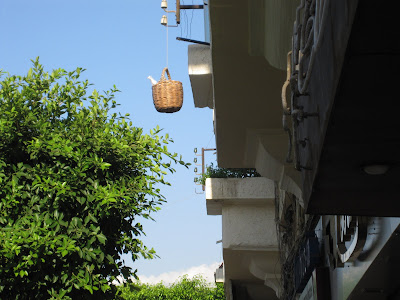
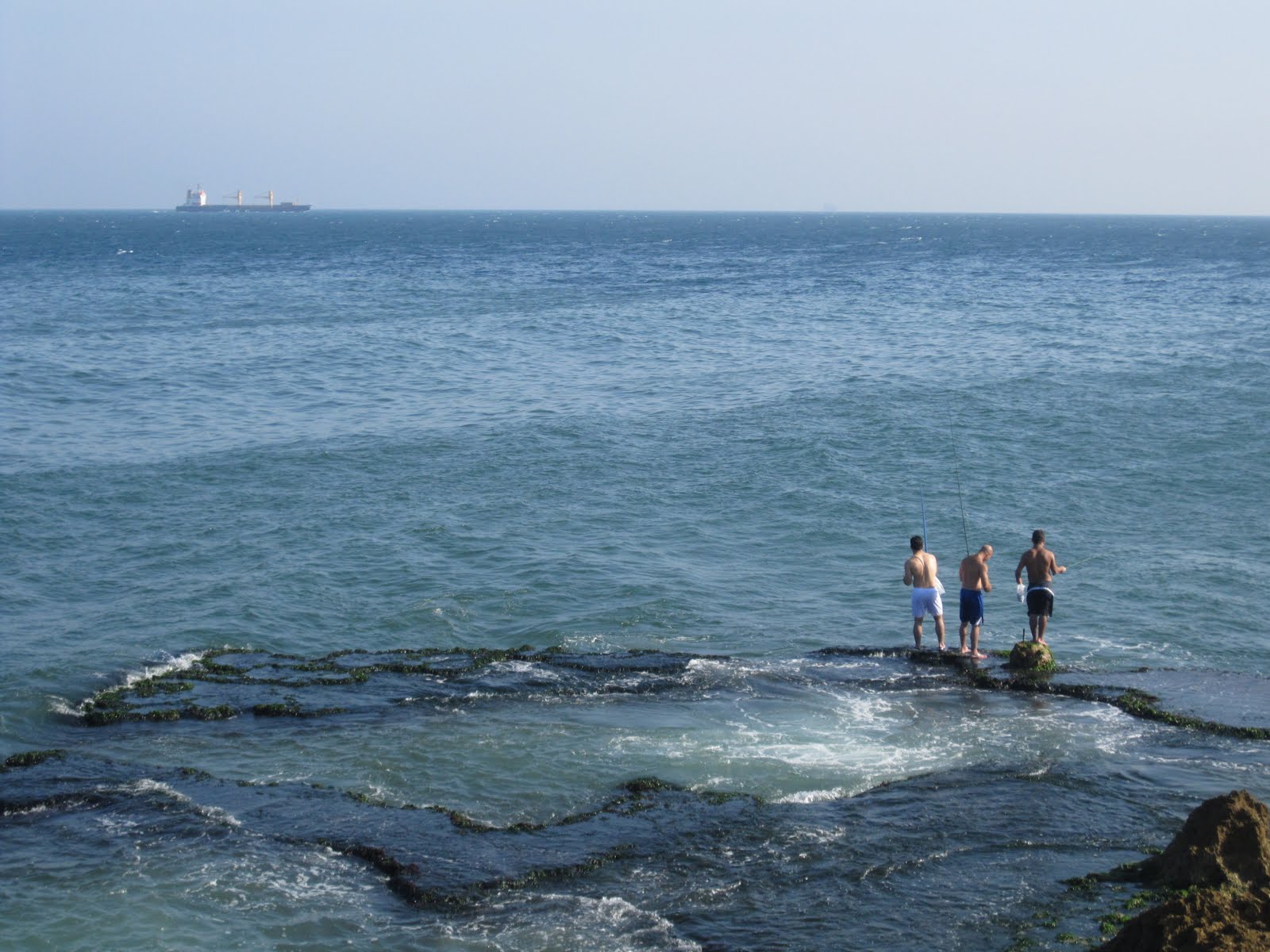
I found some photos from last year's trip to Beirut that I never published, so here they are.






Monday, October 11, 2010
Sunday, October 10, 2010
Danse Macabre
As I wandered the streets of Paris, I came across this cemetery, Père Lachaise. Many famous French are buried there, including artist Eugene Delacroix and writer Honore de Balzac. It's not every day you wander into a cemetery and stumble upon the graves of people you've heard of.
Music is Camille Saint Saen's Danse Macabre.
Wet
It was a dark and stormy night. No, really, it was. I had left beautiful, warm, sunny Beirut at 2pm for cold, dreary Paris. Oh, it was tough, maybe not as tough as it was the last time I left Beirut, if only because it had been so easy to return, but it was tough all the same and I fought tears in the airport again. I was leaving ten days of 100% contentment - Paris was my buffer between that and the winter of Washington.
I was to stay in a small town outside of Paris called Clamart. I wanted a bit of Europe rather than big city but didn't want to stray too far from the airport, so I settled for Clamart, a town close to Versailles. I had directions, which stated:
I descended the stairway to the train station expecting a taxi or two to be waiting in front of it like you would expect taxis to do, but there were none, so I went into the station, where a helpful attendant gave me a phone number to call one. Easy enough, right? Except no one would answer the phone. I walked to the corner of the intersection to try to hail one on the street, but there were few who passed by and none who stopped. I called the hotel to tell them I was having trouble finding a cab (at this point it was nearly 10pm, the time I told them I'd be arriving), thinking they would call one for me, but the guy must have thought I was just calling to tell them I'd be late and he hung up on me. (I don't know how much AT&T charges for international roaming calls, and I'd already made two, so I didn't want to call again.) Did I mention it was raining?
My other option was to walk the "25 minutes" to the hotel. That would have been fine, except I had no idea in which direction it was, so I went to a nearby bus stop to see if there was a map. Nope. There were no people on the streets and nothing was open, so even asking someone was out of the question. I probably stood on that corner for twenty minutes trying to figure out what to do, and I was getting frustrated (and wet), so I just started to walk. I knew the town was Clamart, and there were road signs that pointed towards Clamart, so logically I followed them through the darkened suburbs of Paris on whose roads I had never roamed.
Despite not knowing where I was, I enjoyed the first minutes of my walk. I felt like I was in Europe for the first time on the trip. Paris is wonderful, but it is an international city, and my Europe days were spent in many small towns. I just wanted a taste of that once again, and I got it. But I was pulling a suitcase behind me, and I had a laptop and some books on my back, and after about 20 minutes of walking, I was getting tired and was unsure if I was going in the right direction. I came upon another bus stop. This one had a map, but my destination was not on it. Suddenly, a taxi came by! The driver slowed when I hailed him, and I thought I might be saved. Alas! He had a passenger, but he sympathized with me walking in the rain, pulling a suitcase behind me. He wanted to pick me up, but that passenger said no. %$#@!
So there I was, standing in the rain, wondering what on earth I was going to do. I had no choice but to walk on, so walk I did, walked like I hadn't been on a plane for four hours, walked like I hadn't left my heart behind, walked like I knew where I was going. I got to a curve and I just had to stop. I felt like breaking down right there, but then I turned around.
The whole city of Paris was out there, Eiffel Tower and all.
It was one of those moments when you just feel like you were supposed to be there, one of those times when something sucks all the bad from your soul and you feel like the most blessed person on earth for just being permitted to breathe. And on I walked, no longer doubting my decision to come to Clamart.
I walked another twenty minutes or so until I came to a circle, and behold! A town map! Turns out, I should have gone left a mile back, but it was ok, because I could take one of the streets from the circle to get to the street my hotel was on.
And so, an hour after I had arrived at the Issy train station, I found the Victor Hugo Hotel, where a warm shower and a lengthy sleep awaited me.
To be continued...
I was to stay in a small town outside of Paris called Clamart. I wanted a bit of Europe rather than big city but didn't want to stray too far from the airport, so I settled for Clamart, a town close to Versailles. I had directions, which stated:
From Airport Charles de Gaulle: You can take a taxi to the hotel or you can take the RER B (blue) train and change trains at 'St-Michel Notre-Dame'. Change to the RER C train direction 'Versailles-Rive Guache'/'Saint-Quentin-en-Yvelines' and get off at train stop 'Issy'. The hotel is at 25 minutes walking distance from the train station but of course it is better to take taxi from here to the hotel.Seems simple enough, right? So I got on the train at CDG and got off at Issy (8 euro instead of the 50 a taxi would cost). It was raining.
I descended the stairway to the train station expecting a taxi or two to be waiting in front of it like you would expect taxis to do, but there were none, so I went into the station, where a helpful attendant gave me a phone number to call one. Easy enough, right? Except no one would answer the phone. I walked to the corner of the intersection to try to hail one on the street, but there were few who passed by and none who stopped. I called the hotel to tell them I was having trouble finding a cab (at this point it was nearly 10pm, the time I told them I'd be arriving), thinking they would call one for me, but the guy must have thought I was just calling to tell them I'd be late and he hung up on me. (I don't know how much AT&T charges for international roaming calls, and I'd already made two, so I didn't want to call again.) Did I mention it was raining?
My other option was to walk the "25 minutes" to the hotel. That would have been fine, except I had no idea in which direction it was, so I went to a nearby bus stop to see if there was a map. Nope. There were no people on the streets and nothing was open, so even asking someone was out of the question. I probably stood on that corner for twenty minutes trying to figure out what to do, and I was getting frustrated (and wet), so I just started to walk. I knew the town was Clamart, and there were road signs that pointed towards Clamart, so logically I followed them through the darkened suburbs of Paris on whose roads I had never roamed.
Despite not knowing where I was, I enjoyed the first minutes of my walk. I felt like I was in Europe for the first time on the trip. Paris is wonderful, but it is an international city, and my Europe days were spent in many small towns. I just wanted a taste of that once again, and I got it. But I was pulling a suitcase behind me, and I had a laptop and some books on my back, and after about 20 minutes of walking, I was getting tired and was unsure if I was going in the right direction. I came upon another bus stop. This one had a map, but my destination was not on it. Suddenly, a taxi came by! The driver slowed when I hailed him, and I thought I might be saved. Alas! He had a passenger, but he sympathized with me walking in the rain, pulling a suitcase behind me. He wanted to pick me up, but that passenger said no. %$#@!
So there I was, standing in the rain, wondering what on earth I was going to do. I had no choice but to walk on, so walk I did, walked like I hadn't been on a plane for four hours, walked like I hadn't left my heart behind, walked like I knew where I was going. I got to a curve and I just had to stop. I felt like breaking down right there, but then I turned around.
The whole city of Paris was out there, Eiffel Tower and all.
It was one of those moments when you just feel like you were supposed to be there, one of those times when something sucks all the bad from your soul and you feel like the most blessed person on earth for just being permitted to breathe. And on I walked, no longer doubting my decision to come to Clamart.
I walked another twenty minutes or so until I came to a circle, and behold! A town map! Turns out, I should have gone left a mile back, but it was ok, because I could take one of the streets from the circle to get to the street my hotel was on.
And so, an hour after I had arrived at the Issy train station, I found the Victor Hugo Hotel, where a warm shower and a lengthy sleep awaited me.
To be continued...
Subscribe to:
Posts (Atom)